

When “GEO” started trending, my inbox filled with the same question: “Is this different from SEO?” The tactics overlap; the measurement does not. Generative Engine Optimization, the way I use the term with clients, means improving how often and how accurately generative systems represent your brand when they answer real buyer prompts.
I do not sell GEO as magic. I sell a repeatable operating system—because one audit deck does nothing if sales still hears wrong pricing from ChatGPT three months later.
The five parts of a sober GEO program
1. Prompt library — I pull 30–50 questions from CRM notes, support tickets, and discovery calls. If the prompt did not come from a human who pays you, it is low priority.
2. Baseline audit — Same prompts, two or three engines, log cited URLs, quoted lines, and whether the answer is accurate. This is your before picture.
3. Content gaps — Missing comparisons, vague pricing, no implementation timeline, weak “what is” category page. I fix gaps in format, not volume.
4. Off-site consistency — LinkedIn, G2, Crunchbase, PDFs your team emails—aligned names, pricing rules, integrations.
5. Monthly re-test — Citation share, sentiment, factual errors. GEO is a cadence, not a project.
What I refuse to do
Black-hat “AI bait” paragraphs stuffed with synonyms. Fake statistics. Pages that exist only to catch bots. Models and search systems both learn to deprioritize low-utility fluff—and your brand risk is not worth it.
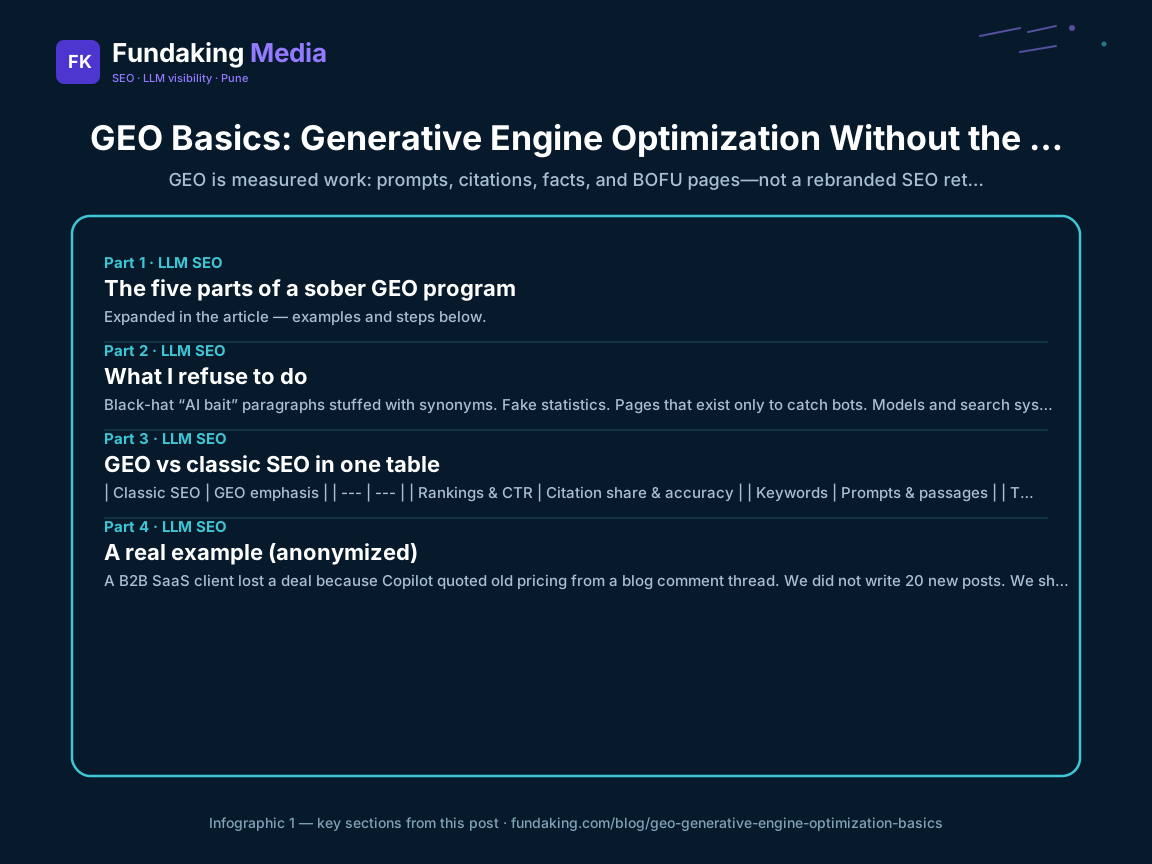
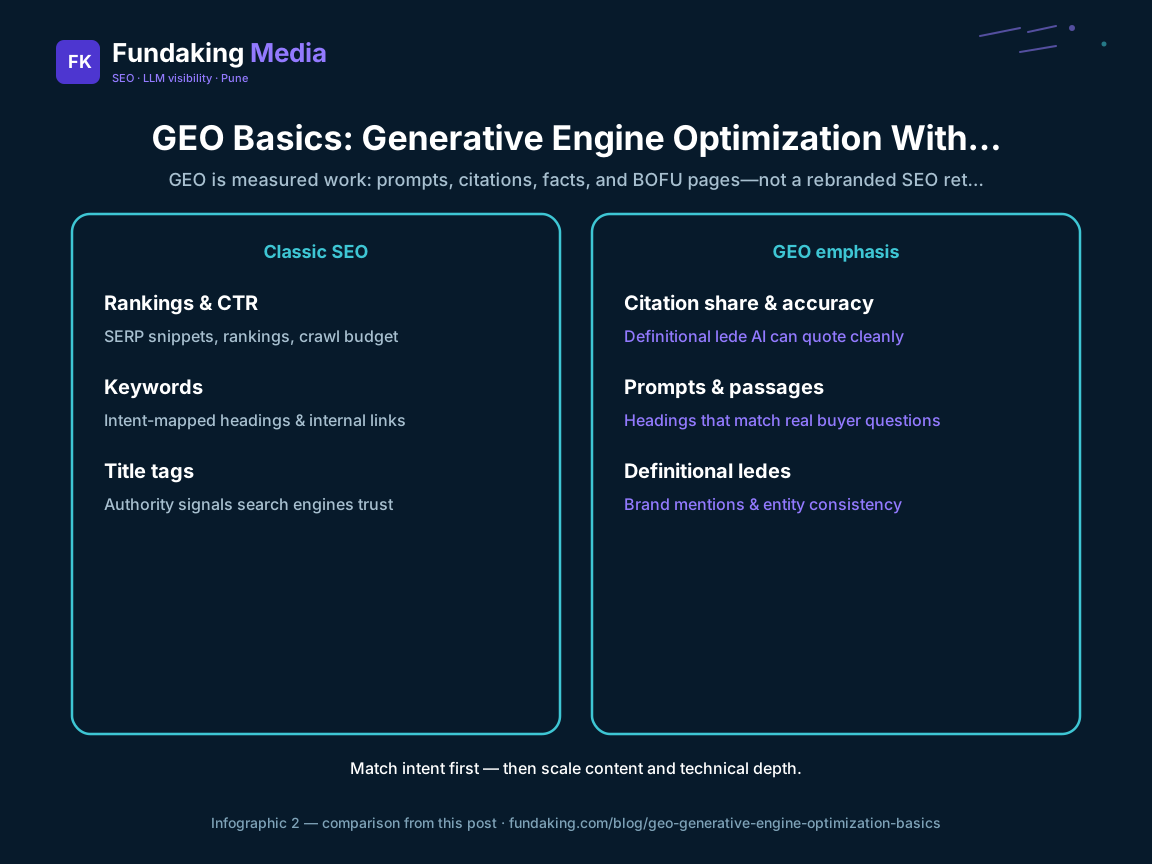
GEO vs classic SEO in one table
| Classic SEO | GEO emphasis |
|---|---|
| Rankings & CTR | Citation share & accuracy |
| Keywords | Prompts & passages |
| Title tags | Definitional ledes |
| Backlinks | Mentions + proof pages |
You still want both. I just do not pretend rankings alone protect you when the SERP summarizes.
A real example (anonymized)
A B2B SaaS client lost a deal because Copilot quoted old pricing from a blog comment thread. We did not write 20 new posts. We shipped a pricing FAQ, aligned G2 and the site, added schema, and published a comparison page. Six weeks later, the same prompt cited their pricing URL—not a forum.
Your next step
Build the prompt library before you hire anyone for GEO. Run the baseline yourself in an afternoon. Fix factual errors before you chase thought leadership.
Why founders should care now
GEO is measured work: prompts, citations, facts, and BOFU pages—not a rebranded SEO retainer with new buzzwords. That is not theory for me — it shows up on discovery calls when organic pipeline stalls or when AI answers describe a competitor instead of your brand. Search and answer engines reward specific, verifiable pages, not generic SEO filler.
If you are evaluating priorities, ask whether this topic touches revenue pages (pricing, product, comparisons) or trust pages (about, case studies, docs). Fix trust and structure before you scale content volume.
Mistakes I see on live sites
- Chasing tactics from Twitter threads without a baseline audit in Search Console and analytics.
- Publishing more blogs when the root issue is indexation, faceted URLs, or slow LCP on money pages.
- Treating AI visibility as separate from technical SEO — crawlers and models both need clean HTML and consistent facts.
- Skipping internal links from new posts to BOFU pages, so traffic lands nowhere useful.
A 30-day workflow you can run in-house
Week 1 — Baseline: Export top landing pages by impressions, list five prompts or queries buyers actually use, screenshot current AI/search results for your brand.
Week 2 — Fix facts: Align pricing, integrations, and founder bio across site, GBP, and LinkedIn. One wrong number in an old blog comment can poison summaries.
Week 3 — Ship one asset: Pick a single page tied to “GEO Basics: Generative Engine Optimization Without the Hype” and rewrite the lede, add a comparison table or checklist, improve internal links.
Week 4 — Measure: Track qualified leads or demo requests from organic — not rank positions alone. Re-run your prompt library and log citation changes.
When to bring in a consultant
Bring in senior help when engineering bandwidth exists but prioritization is missing — or when migrations, JavaScript rendering, or international structure block progress. I cap Fundaking engagements so strategy stays founder-led; book a call if you want a second opinion on scope.
Related reading on Fundaking
Category focus for this article: LLM SEO.
Rahul Agarwal — founder, Fundaking Media. Technical SEO, LLM/GEO, and local lead gen from Pune.

 Rahul Agarwal